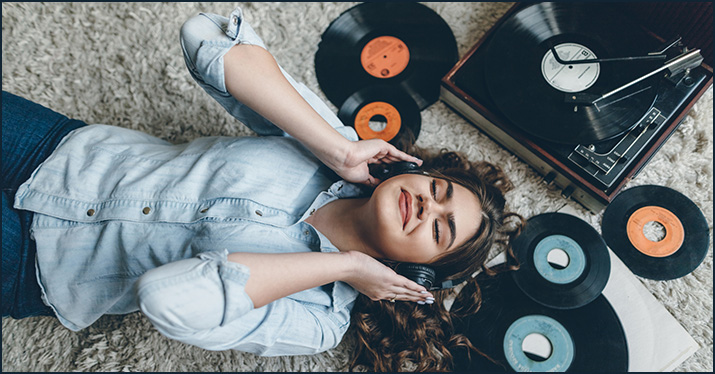
Your favorite songs can start to feel too familiar when every playlist circles back to the same names. The problem is not that great music disappeared; the problem is that most listeners let the algorithm make every choice for them. A smarter music discovery habit gives you more control, more surprise, and a better chance of hearing artists before they become background noise on every feed.
Across the USA, listeners have more access than ever, yet many still feel stuck inside a small loop of repeat tracks, viral hooks, and recycled recommendations. Discovery works better when you treat it like a personal routine instead of a passive scroll. You can use digital visibility tools to understand how artists, creators, and music communities build attention online, but your own ears still matter most. Great taste grows when you stop chasing what everyone else already found and start noticing what actually holds your attention.
Music Discovery Starts With Better Listening Habits
The fastest way to hear better music is to change how you listen before changing where you search. Most people blame platforms when their recommendations feel dull, but their listening patterns train those platforms every day. If you skip impatiently, replay the same comfort songs, and never save anything outside your usual mood, your feed learns to play it safe. That is where the rut begins.
Find new music by listening beyond your default mood
Your daily mood can trap your taste without you noticing. A Monday commute, a gym session, and a late-night drive all push you toward different sounds, yet many people use one playlist for everything. That habit teaches your brain that music is only useful when it matches what you already feel.
A better move is to search by energy instead of genre. Try words like “slow burn,” “dusty soul,” “night drive,” “garage pop,” or “desert rock” and let the results pull you sideways. This approach helps you find new music without feeling like you are doing homework.
Small changes matter. Save one unfamiliar track every day, even when you are not sure you love it yet. Some songs need a second setting before they click, and taste often grows in the gap between instant comfort and quiet curiosity.
Build listening rituals instead of random scrolling
Random scrolling feels active, but it often makes you less selective. You hear fifteen seconds of a song, decide too fast, and move on before the artist has a fair chance. Good discovery needs a little patience, not endless options.
Set one small ritual each week. Friday morning could be for new releases. Sunday evening could be for albums you missed. A lunch break could be for one local artist from your city or state. Structure creates space for surprise.
American listeners have a huge advantage here because every region carries its own sound. Atlanta, Nashville, Chicago, Los Angeles, Detroit, New Orleans, Austin, and New York all feed different scenes. When you search by place, you hear music with roots instead of another flat playlist built for everyone.
Where to Look When Algorithms Get Too Predictable
Algorithms are useful, but they are cautious by design. They often recommend songs close to what you already played because safe similarity keeps people listening. That can help on a busy day, but it can also narrow your taste until every new artist sounds like a slightly edited version of someone you already know.
Use music streaming apps with a sharper filter
Music streaming apps can still help when you stop treating their home screens as the whole map. The best discoveries often sit inside artist radio pages, fan-made playlists, credits, label pages, and “fans also like” sections. Those corners reveal connections that the main recommendation feed may never show you.
Credits deserve more attention than they get. A producer, songwriter, touring guitarist, or featured vocalist can lead you to a separate world of songs. One track from a favorite artist might connect you to five other people shaping the sound from behind the curtain.
Music streaming apps also work better when you clean up your signals. Remove songs you do not care about from saved playlists. Stop replaying tracks you have outgrown. Follow artists you actually want to hear from, not names you saved three years ago and forgot.
Follow independent artists before everyone agrees on them
Independent artists often build loyal audiences long before major outlets notice. You can find them through Bandcamp pages, college radio playlists, small venue lineups, Tiny Desk-style sessions, local festival posters, and community music blogs. These places still carry the messy, human edge that polished feeds often smooth away.
A practical example helps. Search for a small venue near you, then check who played there last month. If you live near Portland, Maine; Tulsa, Oklahoma; Richmond, Virginia; or Phoenix, Arizona, the local calendar may reveal artists who are active, touring, and close enough to see live.
Independent artists also make discovery feel personal. When you hear someone early, follow their releases, and watch their sound sharpen over time, music becomes more than content. It becomes a thread you chose to follow before the crowd arrived.
Turning Playlists Into a Personal Map
Playlists can either flatten your taste or sharpen it. The difference comes from how you build them. A giant playlist called “Favorites” becomes a junk drawer fast. A focused playlist tells a story, solves a listening need, or tracks a mood you want to return to.
Create personalized playlists with a clear purpose
Personalized playlists work best when each one has a job. “Songs for cleaning the apartment” gives you a better filter than “good songs.” “Late summer guitar tracks” beats “indie.” A clear purpose helps you decide what belongs and what does not.
The trick is to avoid making every playlist permanent. Some should expire. A January playlist can capture one season of your taste, then sit untouched as a time capsule. Not every collection needs to become a lifelong archive.
Personalized playlists can also help you notice patterns. After twenty songs, ask what connects them. Maybe you keep saving tight basslines, rough vocal tones, warm synths, or lyrics about leaving home. That pattern tells you where to search next.
Let friends, record stores, and radio break the pattern
Human recommendations still beat automated ones when the person knows why a song might land with you. A friend who says, “This sounds like your desert road trip playlist,” gives you context no machine can fully read. That context changes how you hear the song.
Local record stores remain useful even if you stream everything. Staff picks, handwritten notes, and small-label bins can point you toward albums that never hit your main feed. College radio and public radio music shows also keep discovery tied to people with taste, not only data.
There is one catch. You need to ask better questions. Instead of asking, “What should I listen to?” ask, “What album surprised you this month?” or “Who is making great live music around here?” Better questions pull better answers.
How to Know Which New Artists Are Worth Your Time
Discovery is not about collecting endless names. A long list of artists you never revisit does nothing for your life. The point is to build a listening world that keeps opening up, one artist at a time, without turning music into a chore.
Judge songs by staying power, not first impact
First impact can fool you. A loud hook, a catchy chorus, or a viral clip may grab you fast, then vanish from your mind by dinner. Staying power shows up later, when a line returns while you are walking, working, or driving home.
Give promising songs three listens in different settings. Try headphones once, speakers once, and a normal-life listen while doing something else. Some songs demand full attention, while others work because they quietly improve the room.
This is where music discovery becomes less about speed and more about taste. You are not trying to hear everything. You are trying to notice what keeps calling you back after the first spark fades.
Support artists in ways that keep scenes alive
Finding an artist you love should lead somewhere. Follow their page, buy a ticket, share a track with one person who might care, or buy merch when you can. Small actions matter because many artists build careers through clusters of loyal listeners, not giant overnight moments.
Live shows are the strongest test. A song that feels decent online can become unforgettable in a small room with fifty people listening hard. That kind of experience changes your relationship with an artist because you remember the night, not only the track.
American music scenes survive when listeners act like participants instead of silent consumers. The next artist you love may already be playing a weeknight show in your city, opening for someone you barely know. Go early. Stay curious. That is where the good stuff usually hides.
The best listening life does not come from chasing every release or copying someone else’s taste. It comes from building a practice that leaves room for surprise, patience, and personal judgment. A strong music discovery habit helps you hear beyond the loudest names and notice the artists who fit your actual life.
Start small. Save one song outside your usual lane, check one local lineup, ask one friend for a specific recommendation, and give one unfamiliar artist more than a fifteen-second chance. Finding new artists gets easier when you stop treating music like a feed and start treating it like a place worth exploring. Pick one new artist tonight and listen long enough for the song to become more than background.
Frequently Asked Questions
How can I find new music without relying only on algorithms?
Search by mood, city, label, producer, and live venue instead of only using your main recommendation feed. Human sources like friends, radio hosts, record store staff, and local show calendars often reveal artists that automated playlists miss.
What are the best ways to discover independent artists in the USA?
Check small venue lineups, Bandcamp tags, college radio playlists, local festival posters, and regional music blogs. Independent artists often build strong local followings before they appear on larger playlists, so city-based searching works better than broad genre browsing.
How do music streaming apps recommend new artists?
Most platforms study your plays, skips, saves, playlist adds, followed artists, and listening patterns. They compare those signals with other listeners who behave in similar ways, then suggest tracks that fit nearby habits. Your activity trains the results.
How often should I update my personalized playlists?
Refresh active playlists every few weeks and retire old ones when the mood changes. A playlist should either serve your current life or preserve a specific season. When it becomes cluttered, it stops helping you hear clearly.
What should I listen for when judging a new artist?
Pay attention to voice, songwriting choices, production texture, emotional pull, and whether a song stays with you after it ends. A strong artist usually leaves a clear fingerprint, even when the first listen feels quiet.
How can I use local concerts to find new artists?
Look at opening acts, weekday shows, and small rooms instead of only major tours. Arrive early, listen with patience, and follow artists who hold the room well. Local concerts often reveal talent before larger media catches up.
Why do my music recommendations feel repetitive?
Your listening habits may be too narrow. Replaying the same artists, skipping unfamiliar sounds, and saving only similar tracks teaches platforms to keep the circle tight. Clean your library and add fresh signals to widen the results.
What is the easiest daily habit for finding new artists?
Save one unfamiliar song per day and revisit your saved tracks at the end of the week. Keep the ones that still feel alive after repeat listens. This small habit builds taste without turning discovery into work.