

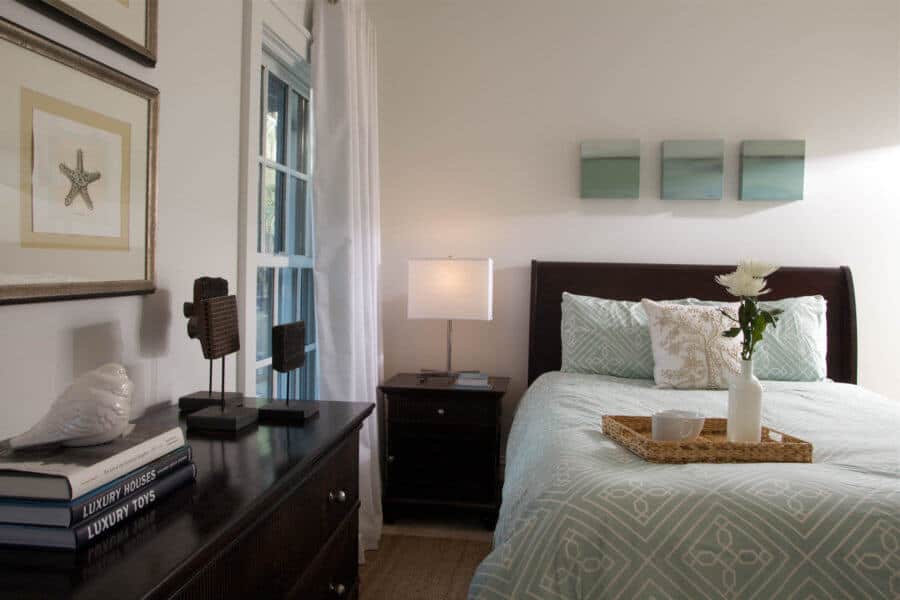
A guest room can expose the truth about a home faster than the front porch ever will. The space does not need designer furniture or a hotel budget, but it does need intention, because Guest Room Ideas only matter when they help someone feel expected instead of squeezed into leftover space. Across the USA, where relatives fly in for holidays, friends drive across state lines, and adult children come home for long weekends, the spare room has become more than an extra bed behind a closed door. It is a quiet test of care.
A welcoming room starts with one simple belief: your guest should not have to ask for every small comfort. A folded blanket, a lamp within reach, a clear surface for a phone, and a place to open a suitcase can change the whole stay. Even online resources for home improvement visibility, such as home-focused publishing support, remind us that the strongest household choices often come from small details people remember. Good hospitality works the same way. It lives in what guests notice after midnight, after a long drive, when they are too tired to ask.
Guest Room Ideas That Start With Real Comfort
Comfort is not the same as softness everywhere. A room can have a thick comforter, fluffy pillows, and a scented candle, yet still feel awkward if the basics are missing. Real comfort begins with the way someone moves through the room, sleeps in the bed, finds their things, and settles without feeling like an intruder.
Guest Bedroom Decor That Feels Calm Without Feeling Empty
Guest bedroom decor works best when it has restraint. A room packed with personal photos, bold colors, and fragile objects may look styled, but it can make visitors feel like they have stepped into someone else’s memory box. A calmer approach gives the guest room its own identity while keeping the space warm.
A good American guest room often has to serve several people: parents visiting for Thanksgiving, a college friend staying after a wedding, or cousins arriving during summer break. That range makes flexibility more useful than a strong theme. Soft bedding, washable throws, a neutral rug, and one or two pieces of wall art create enough character without locking the room into one mood.
Guest bedroom decor should also leave room for the guest’s life to enter. A bare hook behind the door, a cleared nightstand, and an empty drawer show more care than a crowded tray of decorative objects. The counterintuitive truth is that the best-decorated guest room often has less in it, not more. Space is a form of welcome.
How to Make Overnight Guests Feel Settled Fast
Overnight guests usually arrive with one thing they do not say out loud: they do not want to be a bother. That is why the room should answer small needs before they become questions. A water glass, tissues, phone charger, and readable Wi-Fi note can remove tiny moments of discomfort.
A bedside lamp matters more than most people think. No guest wants to cross an unfamiliar room in the dark after turning off the ceiling light. Place lighting where someone can reach it from bed, and choose a bulb that feels gentle instead of harsh. That one choice can make the room feel considered.
Privacy deserves the same attention. Curtains or shades should block streetlights, neighbor windows, and early morning sun. In many USA suburbs and apartments, guest rooms face driveways, sidewalks, or shared courtyards, so window coverings are not a fancy extra. They are part of letting someone relax without feeling watched.
Spare Room Design That Works Beyond the Visit
A guest room rarely lives as a guest room every day. In many homes, it doubles as a work corner, storage zone, craft room, or quiet reading space. That mixed role is not a problem. The problem begins when the everyday use swallows the guest function completely.
Spare Room Design for Homes Without Extra Space
Spare room design should begin with honesty about how the room is used when no one is staying over. A small ranch house in Ohio, a townhouse in Virginia, and an apartment in Denver will not handle guests the same way. The room may need a desk, a treadmill, or storage bins, but those pieces should not make a visitor feel like an afterthought.
A wall-mounted shelf can replace a bulky dresser in tighter rooms. A slim luggage rack can fold away when guests leave. A daybed can work in a home office if it has a proper mattress and bedding that does not feel like a compromise. The goal is not to hide every daily function; the goal is to keep the sleeping area dignified.
Spare room design also benefits from zones. One side of the room can hold household storage behind closed doors, while the bed area stays clear and calm. Guests understand that homes are lived in. They only feel uncomfortable when the room looks like it was cleared five minutes before they arrived.
Storage Choices That Do Not Crowd the Guest
Storage can quietly ruin a guest room. Boxes under the bed, coats in the closet, and random household overflow tell the guest that the room belongs to clutter first and people second. No one needs a full empty closet, but they do need a little breathing room.
Leave at least a few hangers, a clear lower shelf, and a spot for shoes or a bag. In homes where closet space is tight, use a simple garment rack or over-door hooks. These small choices help overnight guests unpack enough to stop living out of a pile on the floor.
The smartest storage is the kind guests barely notice. Closed baskets, labeled bins, and under-bed containers with easy clearance can keep household items contained. Mess behind a closed cabinet feels different from mess surrounding the bed. That difference shapes the whole stay.
Welcoming Home Details Guests Remember
A welcoming home is not built through one dramatic gesture. It forms through the details guests discover one by one, especially when the host is not standing there to explain anything. The guest room should feel like someone thought through the awkward parts of staying in another person’s house and quietly removed them.
Small Touches for a Welcoming Home Without Overspending
A welcoming home does not require a shopping trip that empties your wallet. Freshly washed sheets, a clean wastebasket, a spare towel, and a visible outlet do more than expensive bedding with nowhere to plug in a phone. Hospitality has a practical backbone.
Place a small tray or bowl on the nightstand for keys, jewelry, or earbuds. Add a mirror if the guest bathroom is shared, so visitors can get ready without occupying the bathroom for every small task. In busy American households, especially during holidays, this reduces morning traffic and keeps everyone less tense.
One unexpected move is to avoid over-personalizing the room with “guest” signs and staged décor. Too much themed hospitality can feel like a rental listing. A better approach is quieter: good sheets, clear instructions, a comfortable chair, and enough space to move. Guests remember ease more than slogans.
What Overnight Guests Need When Plans Change
Overnight guests rarely follow the exact plan. Flights land late, kids wake early, weather turns, or someone needs to work from a laptop in the morning. A strong guest room can absorb those changes without turning the house upside down.
Keep an extra blanket within sight, not hidden in a hallway closet. Add a small fan if the room runs warm, or a portable heater if the room gets cold and it is safe for your setup. Many USA homes have rooms that heat and cool unevenly, especially finished basements, bonus rooms, and older upstairs bedrooms.
A guest room also needs a place to pause. A chair, bench, or cleared corner gives someone somewhere to sit besides the bed. That matters when a guest wants to make a call, tie shoes, check email, or step away from a full house for ten minutes. Privacy is not rejection. It is part of comfort.
Finishing the Room With Practical Warmth
The final layer of a guest room should make the space feel ready, not decorated for inspection. Guests are not looking for perfection. They are reading the room for signs that they can sleep well, find what they need, and wake up without feeling lost.
Guest Bedroom Decor That Handles Real Life
Guest bedroom decor has to survive laundry, dust, luggage, kids, pets, and the occasional spilled coffee. That is why washable materials beat fragile ones. A guest room should look good after someone has lived in it for two nights, not only before the suitcase arrives.
Choose bedding that can be cleaned without drama. White sheets look fresh, but patterned or mid-tone bedding may work better in homes with children or pets. A durable rug can soften the room while protecting flooring from rolling luggage and shoes.
Wall art should carry the room without demanding attention. Local prints, landscape photos, or simple framed pieces can give the space a sense of place. A guest visiting Arizona may enjoy desert tones; someone staying in a Maine cottage may connect with coastal textures. The room should belong to the home, not to a showroom.
How to Prepare the Room Before Guests Arrive
Preparation should happen before the doorbell rings. Strip the bed, wash the linens, air out the room, dust surfaces, empty the trash, and check the lights. These basics sound plain because they are. They also matter more than almost anything else.
Walk into the room like you are the guest. Put your phone on the nightstand and see if it reaches the outlet. Sit on the bed and check the lamp. Open the closet and ask whether there is space for a jacket. This quick test catches problems that decorating never will.
The final check should focus on dignity. Remove personal paperwork, random storage, and anything that makes the guest feel they are sleeping in a displaced corner of your life. The room does not need to be fancy. It needs to say, without words, “You were expected.”
A guest room becomes meaningful when it stops being the place where extra furniture goes to retire. It becomes part of how your home treats people. That shift matters because hospitality is not measured by the size of the house, the price of the mattress, or the color of the curtains. It is measured by how quickly someone can relax.
The strongest Guest Room Ideas are the ones that remove friction before anyone has to mention it. Give guests a place for their bag, a lamp they can reach, bedding that feels clean, privacy that holds, and enough quiet space to feel human after a long trip. Those choices turn a spare room into a room with purpose.
Start with one honest walk-through today. Stand in the doorway, look at the room as if you had never seen it before, and fix the first thing that would make a tired guest hesitate.
Frequently Asked Questions
What are the best guest room ideas for small American homes?
Start with a comfortable bed, clear walking space, and a small surface near the bed. Use wall shelves, hooks, and foldable luggage racks instead of bulky furniture. A small guest room works well when every item earns its place.
How can guest bedroom decor make visitors feel more comfortable?
Calm colors, clean bedding, soft lighting, and open surfaces help visitors settle in faster. Avoid filling the room with personal clutter or fragile decorations. The best decor gives guests comfort, privacy, and enough space for their own belongings.
What should every spare room design include for guests?
Every spare room should include a proper sleeping surface, reachable lighting, window coverings, clean linens, and a place for luggage. Add a few hangers or hooks so guests can unpack without asking where to put their things.
How do I make overnight guests feel welcome without spending much?
Clean the room well, wash the bedding, clear a nightstand, and leave towels, water, and Wi-Fi details where guests can find them. Low-cost comfort beats expensive decor when the guest can move through the stay without awkward questions.
What colors work best for a welcoming home guest room?
Soft neutrals, muted blues, warm grays, gentle greens, and light earth tones work well because they calm the space without feeling cold. The room should feel restful, not loud. Add warmth through texture rather than strong wall color.
How can I prepare a guest room before family visits?
Wash sheets and towels, dust surfaces, empty the trash, test lamps, clear closet space, and check room temperature. Add an extra blanket and a phone charger. Family may be forgiving, but comfort still shows respect.
What furniture does a guest room need most?
A bed, nightstand, lamp, luggage spot, and chair or bench cover most needs. A dresser helps for longer visits, but it is not always needed. Clear surfaces matter more than extra furniture that crowds the room.
How do I keep a guest room useful when no guests are visiting?
Use closed storage, foldable furniture, and clear zones so the room can serve daily needs without losing its guest function. Keep the bed area open and easy to reset. A dual-purpose room should still feel ready when visitors arrive.