
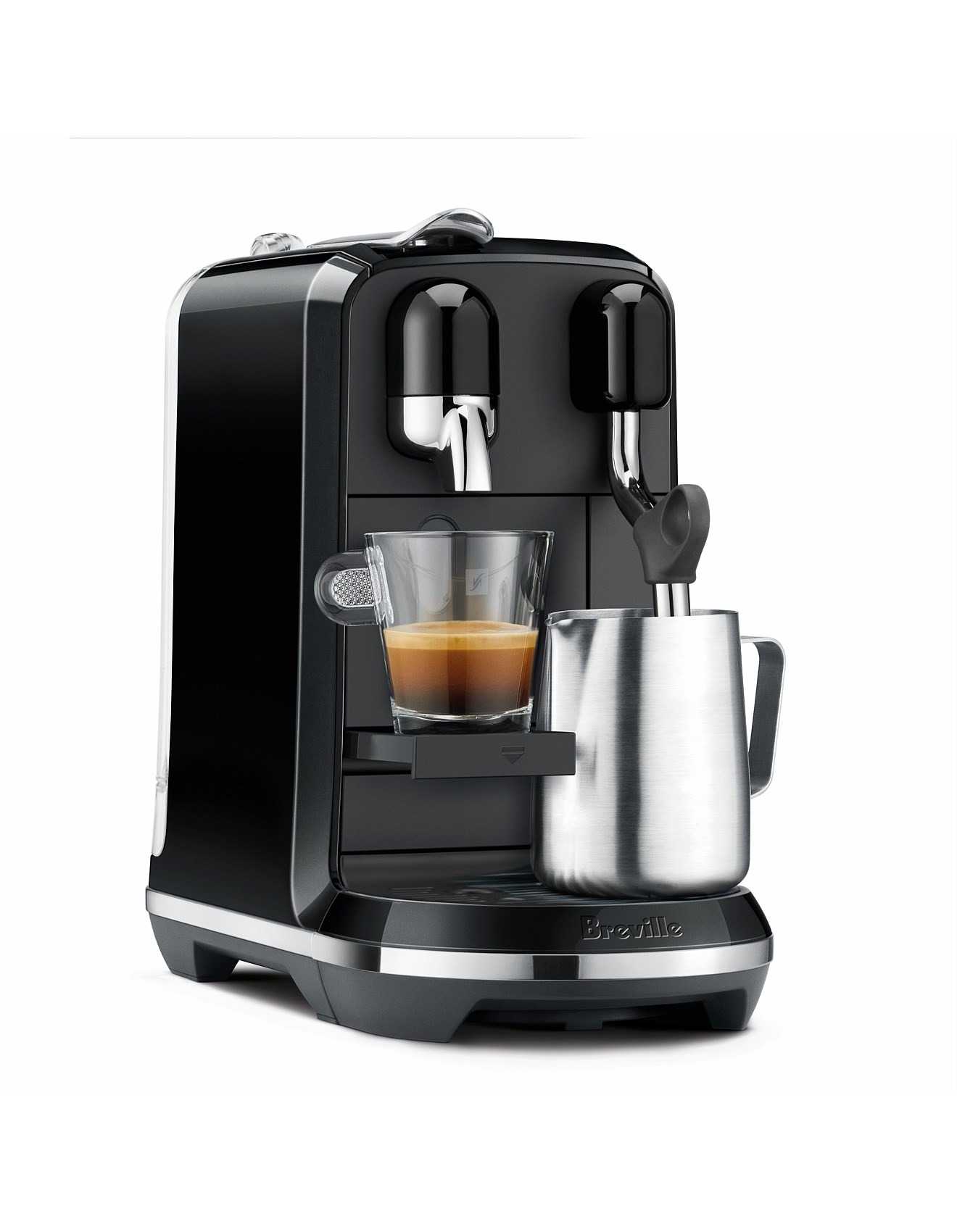
A good coffee deal only matters if the machine will still earn counter space after the first week. That is why the Nespresso Creatista Uno is getting attention from U.S. shoppers who want café-style milk drinks without learning a full espresso setup. It sits in that rare middle lane: easier than a manual machine, more polished than a basic pod brewer, and more serious about milk texture than most small kitchen gadgets. The official Nespresso page lists core features such as three coffee selections, a three-second heat-up time, three milk texture levels, three milk temperature settings, and 19-bar pressure. For buyers tracking an espresso machine deal, those details matter more than a loud sale banner. The draw is not only the markdown. It is the chance to get a single-serve coffee maker that can make a weekday latte feel less like a compromise. Coverage on smart shopping trends often misses this point: the best kitchen deal is the one you keep using after the buzz fades.
Why the Nespresso Creatista Uno Deal Feels Bigger Than a Normal Markdown
A discount on a plain pod machine is easy to judge. Lower price, quick coffee, done. This one asks for a sharper look because it blends two habits that usually live in different corners of the kitchen: capsule espresso and steamed milk.
The price matters because milk drinks usually cost more
Most Americans do not buy a higher-end capsule machine for straight espresso alone. They buy it because the morning drink they keep ordering outside is a latte, cappuccino, flat white, or some soft foam version of the same idea. That daily café habit gets expensive before you notice it. One coffee on the drive to work feels harmless. Five of them in a week feels different.
That is where this machine’s appeal starts. A strong espresso machine deal is not only about the sticker price. It is about the gap between what you pay upfront and what you stop buying elsewhere. If someone in a Chicago apartment makes four milk drinks a week at home instead of buying them downtown, the machine starts to feel practical rather than fancy.
The counterintuitive part is that a cheaper machine can cost more in patience. If the milk frother is weak, messy, or separate enough to annoy you, it becomes a cabinet item. The value disappears. A sale is useful only when the routine is easier than leaving the house.
Why three-second heat-up changes weekday coffee
Speed sounds like a small feature until you picture a Tuesday morning. Shoes by the door. Laptop bag half-packed. A kid asking where the blue hoodie went. Nobody wants to stand around while a machine warms up like old diner equipment.
The three-second heat-up claim on the official product listing is one of the reasons this model keeps pulling deal hunters back. It turns the machine from a weekend treat into a weekday tool. You can make a shot before your oatmeal cools down. That matters in real kitchens.
There is a quiet lesson here for anyone comparing machines. People often focus on drink quality first, but friction decides ownership. If a machine needs too many steps, it becomes a Saturday object. If it works fast enough for a school morning in Dallas or a cold commute in Boston, it has a better chance of becoming part of the house.
What Makes This Countertop Machine Worth Watching
Once the price catches your eye, the second question is simple: what are you actually buying? The Creatista Uno is not trying to be a full manual espresso station. It is also not trying to be a bargain capsule brewer. Its value sits between those ideas.
The automatic steam wand is the real reason people care
The automatic steam wand is the feature that separates this machine from a basic pod setup. Many capsule machines can pull a decent shot. Fewer can make milk feel close to what people expect from a café drink. Reviewers have long pointed to the traditional-style steam wand as a reason the machine produces better milk texture than many simpler frother setups.
That changes the drink. A latte is not only espresso plus hot milk. It needs texture. Too thin, and it tastes flat. Too foamy, and it feels like a kid’s drink. The three texture levels and three milk temperature settings give you enough control without turning the morning into a barista exam.
Here is the non-obvious win: fewer options can be better. Some premium machines bury you in menus. This one keeps the choices tight. For most households, low, medium, and high are enough. You get control without turning your kitchen into a science project.
Original capsules keep the routine simple
The machine uses Nespresso’s Original system, which gives it a different feel from bigger coffee-focused pod machines. Original capsules are built around espresso-style drinks, not tall mug coffee first. That matters if your main goal is a short shot, latte, cappuccino, or iced espresso drink.
A single-serve coffee maker lives or dies by refill habits. If capsules are hard to find, too costly, or confusing, the whole setup gets annoying. Original-style capsules have broad familiarity in the U.S., and many shoppers already understand the flavor range before buying the machine.
There is still a tradeoff. If your home drinks mostly 12-ounce black coffee, this may not be the best fit. You can make longer drinks, but the machine’s personality leans toward espresso and milk. That is not a flaw. It is a boundary. Good buyers respect boundaries.
How U.S. Shoppers Should Judge the Sale Before Buying
The headline may say the price is at the bottom, but smart shoppers should still slow down. Coffee machines are full of similar names, partner brands, region labels, and near-match listings. One wrong click can mean buying a model that is not the machine you had in mind.
Check the model name before chasing the banner
Brand naming around Nespresso machines can get messy. In the U.S., Creatista machines are commonly tied to Breville through official listings, while other Nespresso machines may carry De’Longhi branding. The official U.S. Nespresso listing is the cleaner reference point for confirming the machine, features, and stock status. It has also shown the Creatista Uno listed at $399 and temporarily out of stock in search results, which is useful context before trusting a third-party sale page.
That does not mean every marketplace listing is wrong. It means you should check the exact model, photos, warranty language, return policy, and seller reputation. A deal that saves money but adds return stress is not a deal. It is homework with a receipt.
For U.S. buyers, this matters most on resale sites and third-party marketplaces. A listing may use the right family name but show a different machine. It may be refurbished, missing the milk jug, or priced low because it lacks warranty support. Read the boring lines. They are where the truth sits.
Match the discount to your coffee habits
A sale can make a machine tempting, but your routine should make the final call. If you make one latte every other Sunday, even a strong espresso machine deal may not be worth it. If two adults make milk drinks every morning, the math changes fast.
Think in drinks, not dollars. A nurse in Phoenix leaving for a 6 a.m. shift may care most about fast heat-up and easy cleanup. A remote worker in Denver may care more about making a second cappuccino after lunch without walking to a café. A college student in a small apartment may care about size, noise, and capsule cost.
The hidden question is not “Can I afford it?” The better question is “Will this remove a small daily annoyance?” If the answer is yes, the sale has weight. If the answer is no, the discount is noise wearing a bright tag.
Where This Machine Fits in a Real American Kitchen
Kitchen gear has to survive real life. Counters are crowded. Outlets are limited. Nobody wants another machine that looks good on day one and becomes a dust shelf by Labor Day. This model makes the most sense where taste, speed, and space all matter.
Small kitchens, busy mornings, and fewer café runs
The Creatista Uno works best for homes that want better coffee without building a whole coffee bar. A Brooklyn renter with one open counter corner does not need a grinder, scale, tamper, knock box, and milk pitcher lined up like a tiny café. A capsule machine with a milk system can make more sense.
The automatic steam wand helps here because it keeps the milk step built into the same routine. You are not moving from pod machine to separate frother to sink to microwave. That matters when the kitchen is narrow and two people are trying to make breakfast at once.
The surprise is that this kind of machine can feel less like luxury and more like clutter control. One appliance doing two jobs is often better than two cheaper tools fighting for space. That is the kind of value a sale page rarely explains.
When a simpler single-serve coffee maker makes more sense
This is not the right machine for everyone. If you mostly drink plain coffee in a travel mug, a simpler single-serve coffee maker may serve you better. If you want to use fresh beans and control grind size, a manual or semi-automatic espresso machine is the better road.
There is also maintenance to consider. Milk systems need care. Even with self-purging features, you still have to wipe, rinse, descale, and treat the machine like food equipment. Buyers who ignore cleaning end up blaming the appliance for problems caused by routine neglect.
That is the honest buying line. This machine is for people who want capsule ease plus milk-drink comfort. It is not for someone who wants the cheapest caffeine possible. A low price can open the door, but fit decides whether it stays on the counter.
Conclusion
The smartest way to read this deal is not as a race to buy before a timer runs out. Read it as a chance to decide whether your daily coffee habit deserves a better home setup. The machine’s strengths are clear: fast heat-up, easy capsule use, milk texture control, and a smaller learning curve than manual espresso gear. The Nespresso Creatista Uno makes the most sense for people who buy lattes often, care about counter space, and want café-style drinks without turning coffee into a hobby. Still, the buyer has to stay sharp. Confirm the model, seller, condition, warranty, and stock status before trusting any “lowest price” label. A discount can be loud. A good purchase is quieter. It fits your morning, saves you trips, and keeps earning its place long after the sale banner disappears. Buy it only if it matches the way you already drink coffee.
Frequently Asked Questions
How much should I pay for this type of coffee machine on sale?
A fair sale price depends on condition, warranty, and seller. New units with official support should cost more than refurbished or marketplace listings. Compare the current price against recent official pricing, then check whether accessories, milk jug, return rights, and warranty coverage are included.
Is this machine worth it for daily latte drinkers?
Yes, it can be worth it for people who make milk drinks several times a week. The value comes from convenience and fewer café runs. For someone who drinks mostly plain coffee, the milk-focused features may be more than they need.
What should I check before buying from a third-party seller?
Check the exact model name, product photos, condition, seller rating, return window, warranty support, and included parts. Pay close attention to missing accessories. A low price can lose its appeal fast if the milk jug, manual, or original packaging is absent.
Does this machine make regular coffee or only espresso drinks?
It is built around espresso-style capsule drinks, so it is best for espresso, lungo, cappuccino, latte, and similar recipes. It can make longer drinks, but people who mainly want large mugs of black coffee may prefer a coffee-first capsule system.
Is the milk system hard to clean?
It is easier than many manual setups, but it still needs regular care. Wiping the wand, rinsing the milk jug, emptying used capsules, and descaling when needed are part of ownership. Skipping those steps can affect taste and machine performance.
Who should avoid buying this machine?
Skip it if you want the cheapest coffee per cup, drink only basic black coffee, or dislike cleaning milk equipment. Also avoid it if you want full manual control over grind, dose, tamping, and extraction. It is made for convenience, not hobby-level espresso control.
Can this replace daily coffee shop visits?
For many latte and cappuccino drinkers, yes. It will not copy the full café experience, but it can cover the drink itself well enough for weekdays. The biggest savings come when you use it often instead of treating it like a weekend gadget.
Why do listings use different brand names for similar machines?
Nespresso partners with different appliance brands in different regions and product lines. That can make online listings confusing. The safest move is to confirm the model number and compare the features against the official product page before buying.