
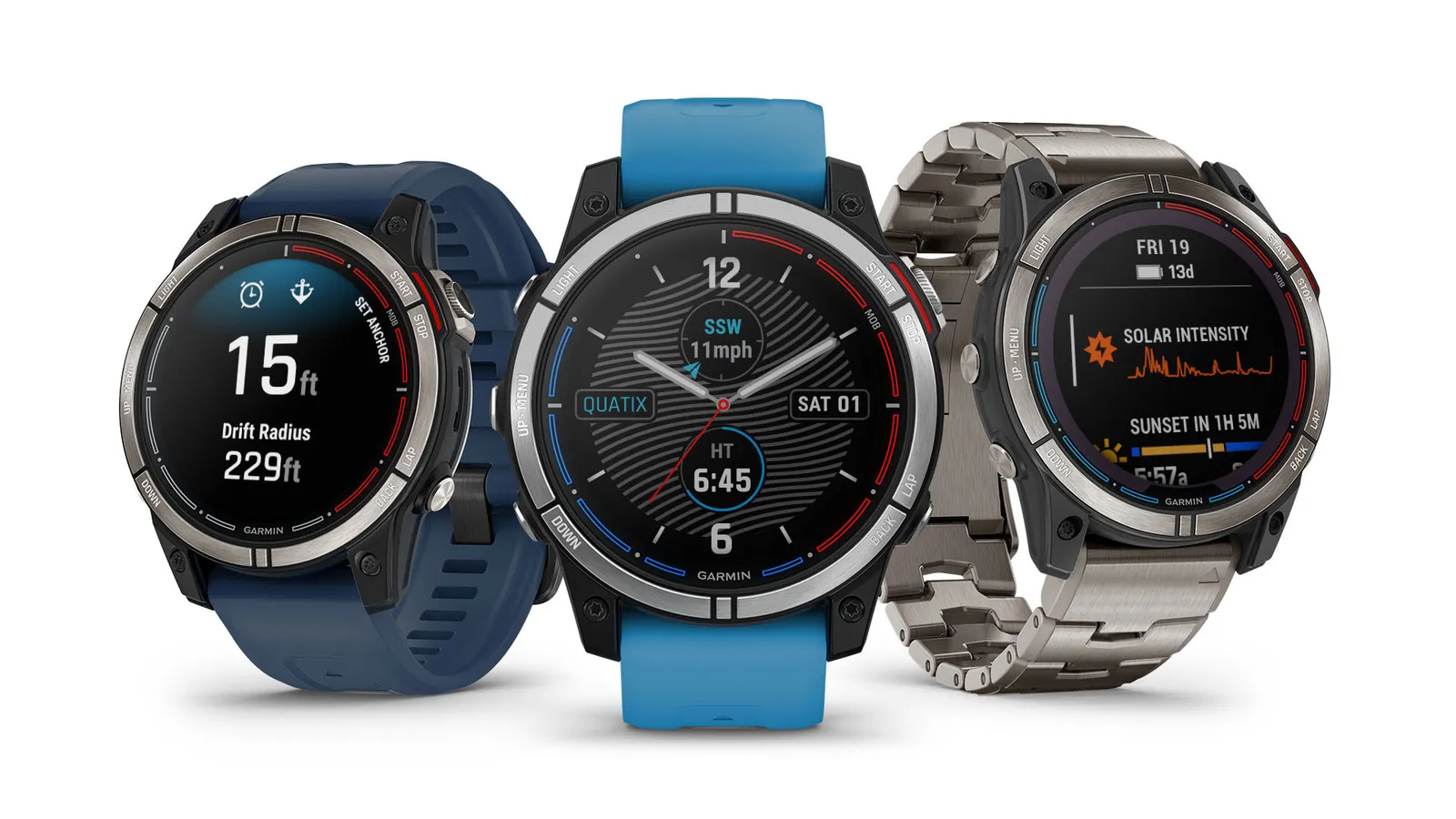
Boating gear has a strange way of becoming urgent the week you need it most. That is why Garmin Quatix 7 is getting fresh attention from U.S. boaters who want one watch that can handle dock days, fishing runs, sailing weekends, workouts, and travel without feeling like a toy. The appeal is simple: a marine GPS watch that connects to the boating life instead of acting like a regular fitness tracker with a nautical face. Garmin describes the line as built for boat connectivity, with features tied to compatible chartplotters, autopilot control, Fusion audio, anchor alerts, tide data, and boat data on the wrist. For shoppers watching restock notices, that matters more than hype. A summer boat schedule can expose cheap gear fast. The better question is not whether this watch looks premium. It is whether it earns space on your wrist when glare, wet hands, battery drain, and long days on the water start testing every small choice. That is the buying tension behind this restock wave, and it is the kind of product trend coverage that deserves more than a thin price-watch post.
Why Garmin Quatix 7 Demand Rises When Boating Calendars Fill
A watch made for boating does not become interesting in January the same way it does in June. Once slips are booked, lake trips are planned, and families start stacking weekends around weather windows, the gear list changes. People stop browsing and start solving. That is where a boating GPS smartwatch begins to feel less like a nice extra and more like something that can reduce small annoyances before they grow teeth.
Summer exposes the weak spots in normal smartwatches
A regular smartwatch can track a walk, buzz when a text comes in, and maybe survive a splash. That is fine until you are standing near the helm with wet fingers, bright sun on the screen, and someone asking where the channel marker is. In that moment, a watch that was designed mostly for gym use can feel out of place.
The non-obvious part is that boaters do not always need more screens. They need the right screen at the right second. A wrist glance can beat another reach toward the dash, especially when you are dealing with lines, kids, wind, or a cooler sliding across the deck.
Garmin’s own marine positioning leans into that use case. The company says compatible setups can show data such as water depth, engine RPM, wind, and custom boat data on the watch, while also supporting controls tied to multifunction displays, autopilot, and Fusion entertainment systems. That is a different promise than “tracks your steps.”
Restock pressure often starts with practical buyers
The first buyers in a restock wave are not always gadget collectors. A lot of them are practical people who waited too long, saw the model go thin at retailers, and then had one trip where their current setup felt clumsy. After that, the search becomes direct.
Picture a Florida center-console owner who fishes before sunrise, uses a Garmin chartplotter, and wants anchor alerts without staring at the main display all morning. Or a Great Lakes sailor who wants tide and weather context, fitness tracking, and a display that does not feel silly at dinner after docking. These are not wild use cases. They are the daily rhythm of U.S. boating.
The counterintuitive bit: demand can rise even when a product is not new. A marine GPS watch often gets discovered when seasonal routines return. The watch may have been around, but the buyer’s need wakes up when the boat does.
What Makes a Marine GPS Watch Worth Waiting For
Restocking only matters if the item is worth waiting for. Plenty of premium wearables look impressive in a product photo, yet feel overbuilt once you live with them. The better test is duller: does it save steps, reduce phone dependence, and stay readable when the day gets messy?
Boat connection is the feature people underestimate
The easy way to judge this model is to compare it with a fitness watch. That misses the point. A Garmin marine watch is meant to sit inside a larger boating setup, especially for people already using Garmin electronics.
That matters because boats spread your attention around. You may be checking the dock line, watching a wake, answering a passenger, and keeping an eye on the dash at the same time. A watch alert for anchor drag or a wrist-based view of useful boat data can cut down on those tiny moments when you have to step away from what you are doing.
Garmin says the line includes MFD control, anchor drag alarms, tide alerts, support for BlueChart g3 coastal charts and LakeVü g3 inland maps, plus activity profiles for fishing, sailing, sail racing, kayaking, and surfing. That blend is why the watch makes sense for boaters who move between dock, deck, trail, gym, and office.
Battery life is not only about long trips
Battery specs are often sold like bragging rights, but boating gives them a more grounded purpose. If you leave home Friday, spend Saturday on the water, sleep badly at the marina, and forget the charger in the truck, battery life stops being abstract.
Garmin listed up to 18 days in smartwatch mode for the standard model, up to 16 days for Sapphire models, and longer ranges for Solar editions under certain modes. Those numbers depend on settings, GPS use, screen behavior, and habits, but the point still holds: a watch built for long outdoor use gives you more room to forget.
There is a catch. Real use may feel different from brochure use. Yachting World’s review praised the watch’s broad usefulness but also found the brighter display could drain battery faster in everyday sailing use than the reviewer expected. That is not a reason to dismiss it. It is a reason to buy with clear eyes.
How Restocking Changes the Buying Decision
When a popular watch comes back into stock, buyers tend to rush the checkout page. That is understandable, but not always smart. A restock is a chance to buy, not a command to buy. The right move is to decide which version fits your actual boat life before the listing turns into a blur of model names and price tags.
Match the edition to your water habits
A weekend lake boater does not shop the same way as an offshore sailor. Someone who wants a bright premium display may lean toward AMOLED or Sapphire versions. Someone chasing longer time away from a charger may care more about Solar. A person with a smaller wrist may care about case size before anything else.
That sounds basic, but many buyers skip it because the product family feels premium across the board. Premium does not mean equal. One watch may look better indoors. Another may make more sense in harsh sun. Another may feel heavier than you expected after six hours.
A useful rule: buy for your most annoying moment, not your best-looking moment. If glare bothers you, shop around screen visibility. If charging habits are poor, shop around battery. If you already run Garmin electronics, pay close attention to compatibility. A boating GPS smartwatch pays off when it matches the way you move around your vessel.
Price drops can hide the wrong fit
A low price can make the wrong model feel right for about five minutes. Then you wear it. Then you learn the strap annoys you, the screen style is not your favorite, or you bought features tied to boat electronics you do not own.
That is why restock shoppers should slow down at the comparison step. Check case size, display type, supported marine features, and return policy. Also check whether a retailer is selling the exact edition you meant to buy. Names can look close when you are rushing.
This is where an internal comparison page, like a boating electronics buying guide, helps readers avoid a bad match. A broader wearable guide, such as outdoor smartwatch picks for weekend trips, can also help buyers decide whether they need a marine-first model or a general outdoor watch.
Who Should Buy It, Skip It, or Wait
The smartest restock article should say who should not buy the product. That may sound odd, but it builds trust. A Garmin marine watch can be a strong fit for the right boater and too much watch for someone who only wants notifications and step counts.
It makes sense for connected boaters
This model makes the most sense for boaters already living inside the Garmin world. If your chartplotter, onboard electronics, and habits line up with the watch’s marine features, the value becomes easier to see. You are not buying a fancy timer. You are adding a wrist layer to a setup you already use.
It also fits people who split time between water and land. A sailor who runs, a fisherman who hikes, or a lake-house owner who tracks workouts may get more daily use than someone who only wears it on the boat. That everyday use helps justify the price.
The less obvious buyer is the person who hates pulling out a phone around water. Phone screens can be slippery, distracting, and risky near the dock. A marine GPS watch on the wrist can keep a few tasks off the phone, and that alone may be enough for some owners.
It may be too much for casual users
If you rent a pontoon twice a year, this watch may be more than you need. A cheaper fitness tracker, phone app, or basic marine tool might cover your actual habits. Buying the premium thing because it is back in stock can turn into drawer clutter by fall.
It may also be a poor fit if you dislike large watches. Many outdoor and marine watches have a presence on the wrist. That can feel reassuring on the water and annoying at a laptop. Try the size in person if wrist comfort matters to you.
There is also the upgrade question. If you already own an older marine watch that still does the jobs you need, the restock alone is not a reason to move. Upgrade when the new features remove a real problem, not when scarcity makes the decision feel urgent.
Conclusion
Good boating gear earns trust in small moments. It helps when your hands are wet, your attention is split, and the day refuses to behave like the plan you made over coffee. That is the real reason Garmin Quatix 7 keeps pulling buyers back when restock notices appear. It is not only a premium watch story. It is a boating workflow story. For the right U.S. buyer, the draw is a mix of wrist-based boat data, outdoor tracking, water-ready design, and fewer reasons to reach for a phone near the dock. For the wrong buyer, it is an expensive reminder that not every capable tool belongs in every life. Treat the restock as a chance to choose carefully. Check the edition, match the features to your boat, and buy only when the watch solves a problem you already feel.
Frequently Asked Questions
Is this watch worth buying for casual boating?
It can be worth it if you boat often, use Garmin marine electronics, or want one watch for water, workouts, and travel. If you only rent a boat once or twice a year, a simpler wearable may make more sense.
What is the biggest reason boaters want this model?
The biggest draw is boat-focused wrist access. Compatible setups can bring useful data and controls closer to you, which helps when you are away from the helm or trying to avoid another reach for the main display.
Does it replace a chartplotter?
No, it should not be treated as a full replacement for a proper chartplotter. Think of it as a wrist companion that can support awareness, alerts, and quick checks while your main marine electronics handle the heavy work.
Which edition should most buyers compare first?
Start by comparing display type, case size, and battery needs. The best choice depends on whether you care more about screen brightness, longer time between charges, premium materials, or comfort during full-day wear.
Is the watch useful away from the boat?
Yes, that is part of the appeal. It includes outdoor, fitness, health, and daily smartwatch features, so many owners can wear it for running, hiking, gym sessions, errands, travel, and normal weekday use.
Should I wait for a sale instead of buying during a restock?
Waiting can save money, but stock can tighten during boating season. If you need it for a planned trip, buy when the right edition is available at a fair price. If timing is flexible, tracking discounts makes sense.
What should I check before ordering online?
Check the exact edition, case size, return policy, warranty details, retailer reputation, and compatibility with your existing marine electronics. Also confirm whether the listing is new, refurbished, open-box, or bundled with accessories.
Is this a good gift for a boat owner?
It can be an excellent gift for an active boat owner, especially someone who already likes Garmin gear. Still, confirm wrist size, preferred color, and boating setup first. Premium wearables are personal, and comfort matters more than surprise.