

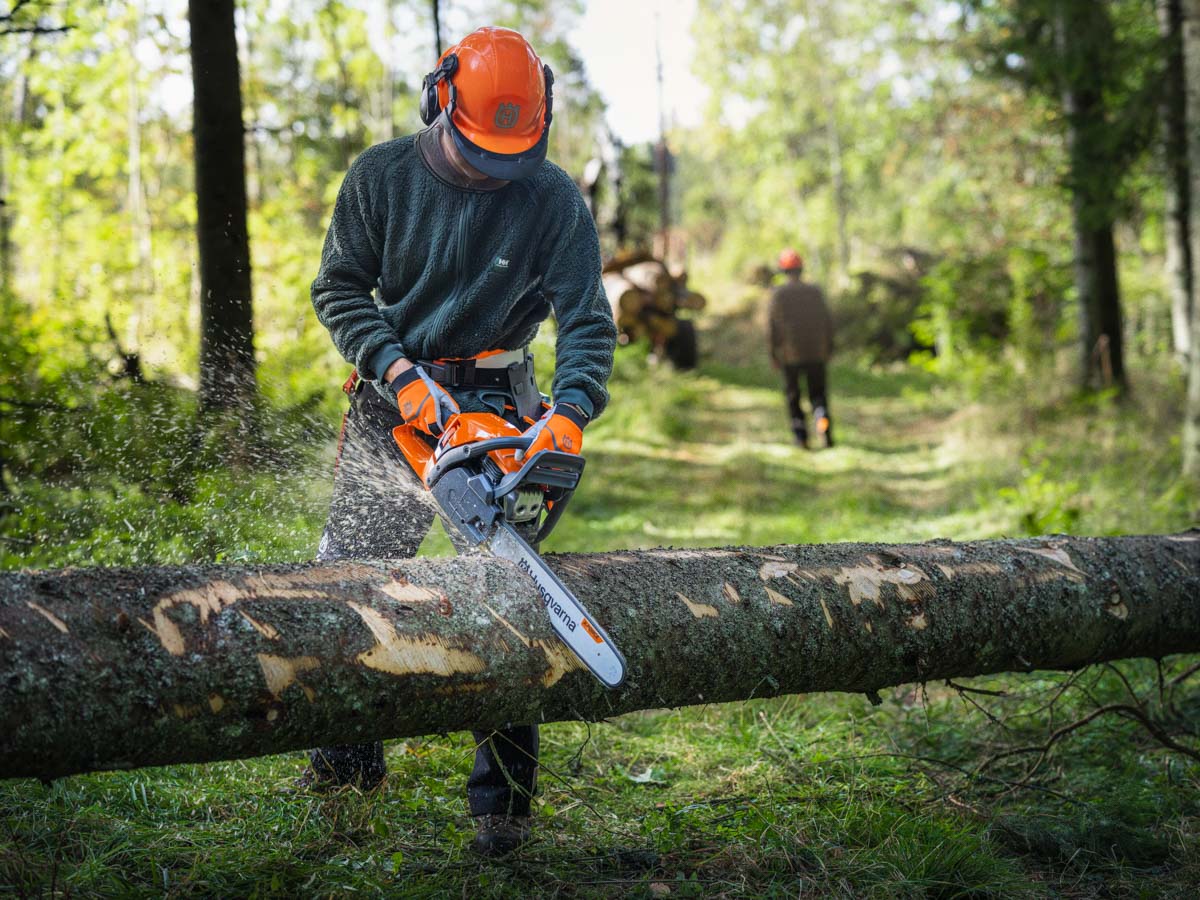
A good pro saw does not win people over in the aisle. It wins them over when the wood is dirty, the weather is sour, and the job still has to be finished before dark. The Husqvarna 550 XP Chainsaw has gained attention because it sits in that hard-working middle zone: strong enough for serious tree work, light enough to carry all day, and familiar enough for crews that do not want a fussy tool. For U.S. landowners, arborists, farm crews, and firewood cutters, that mix matters more than hype. Specs help, but trust comes from repeated starts, clean cuts, and less fatigue after the tenth tank. Readers who track practical outdoor equipment trends have noticed the same pattern with tools that earn repeat use rather than shelf appeal. This is not a saw for casual pruning once a spring. It is a pro-leaning machine for people who need a professional chainsaw that feels sharp, balanced, and ready for real work.
Why Husqvarna 550 XP Chainsaw Demand Makes Sense
The rise of this model makes more sense when you stop looking at it as a status buy. A professional saw has to solve one dull problem: help you cut more wood with less strain and fewer delays. The 550 XP Mark II sits around a 50.1 cc engine with 4 hp listed by Husqvarna, which puts it in a serious middleweight class rather than the heavy felling-saw tier.
The 50cc class hits a sweet working rhythm
A large saw can feel impressive for the first cut and punishing by lunch. That is why many crews keep a mid-size forestry chainsaw close even when bigger models are on the truck. For limbing, bucking medium logs, clearing storm fall, or working from one tree to the next, weight and response matter as much as raw size.
The counterintuitive part is simple: the “smaller” pro saw may finish more work in a day because it gets picked up more often. A heavy machine stays on the tailgate when the cut does not call for it. A 50cc pro saw gets carried into the brush, across the lot, and around the downed maple behind the barn.
That matters in places like Pennsylvania, Oregon, Wisconsin, and North Carolina, where many users are not cutting giant timber every day. They are clearing mixed hardwood, cleaning fence lines, cutting winter fuel, or helping after a storm. A commercial chainsaw that feels quick in those jobs can become the default tool fast.
Popularity often follows trust, not size
A saw gets passed around by reputation. One climber likes how it responds. A farm owner borrows one and notices the balance. A tree crew swaps it into the truck because the newer hire can handle it without fighting the nose all morning. That is how a professional chainsaw earns quiet demand.
The 550 XP Mark II also comes in several bar setups listed by Husqvarna, including 16-inch, 18-inch, and 20-inch options in the U.S. product configuration list. That range lets buyers match the saw to their wood instead of buying more bar than the engine and operator need.
Bigger does not always mean better here. A sharp chain on a balanced 18-inch setup can beat an over-barred saw in real cutting speed because the operator keeps control. Less wrestling. More cutting.
What Professionals Notice Once the Saw Is in Wood
Specs tell part of the story, but they do not show how a saw feels when the chain bites. This is where the 550 XP has built its name. It has enough pull for real work, yet its appeal comes from the way power, throttle response, and handling meet in the cut.
Fast response matters during limbing and cleanup
When you are limbing a downed oak, you are not making one heroic cut. You are making dozens of small decisions. Tip angle. Body position. Branch tension. Escape path. A saw that reacts fast feels safer because you are not waiting for it to catch up with your hands.
Husqvarna lists the chain speed at max power at 64.3 feet per second and the maximum power speed at 10,200 rpm for the U.S. model. Those numbers support what users often want from this class: a saw that feels lively rather than lazy.
Here is the part many first-time pro buyers miss. A lively forestry chainsaw does not excuse poor technique. It makes good technique more useful. When the bar is where it should be and the chain is sharp, the saw rewards you. When you force it, it punishes you with heat, chatter, and wasted fuel.
Balance can beat brute force on long days
A saw that cuts fast but tires your arms is not fast for long. Balance shows up after the first hour, not during the first test cut. It is the difference between guiding the bar and muscling the whole machine through every branch.
That is why this model fits so many U.S. work patterns. A tree service may pair it with a larger felling saw. A ranch owner may keep it for storm cleanup and seasonal firewood. A land management crew may use it when clearing trails where every pound feels heavier by the mile.
The non-obvious lesson is that comfort is not a soft feature. It is production. A tired operator makes slower cuts, misses bind, dulls chains faster, and takes poor body positions. A commercial chainsaw that keeps fatigue down can protect both the schedule and the person holding it.
For a deeper buying framework, this is where a professional outdoor power equipment guide can help separate true work needs from showroom temptation.
Safety and Setup Still Decide the Experience
A pro-grade saw does not make anyone a pro. That line matters. Many chainsaw injuries and near misses happen because people trust the machine more than their setup. The best saw in the truck still needs a sharp chain, correct tension, clean fueling habits, PPE, and a calm operator.
The best upgrade may be your pre-start routine
Before starting a chainsaw, OSHA tells operators to check controls, chain tension, bolts, and handles. OSHA also says to fuel at least 10 feet away from ignition sources and start the saw at least 10 feet from the fueling area, with the chain brake engaged and the saw firmly supported.
That may sound basic. It is not. Basic steps are the ones people skip when a neighbor is waiting, the chipper is running, or a storm limb is blocking the driveway. A disciplined pre-start routine keeps small problems from becoming ugly ones.
Use the same mindset for bar and chain setup. Match the chain to the bar. Keep the cutters even. Watch the rakers. Clean the groove. A saw with strong power can hide a dull chain for a while, but it will burn time, fuel, and patience.
Pro saws punish rushed decisions
OSHA guidance also points to steady footing, both hands on the handles, avoiding overhead cuts, and clearing obstacles that may block movement or retreat. Those rules are not paperwork; they are field sense written down.
A common mistake is buying a professional chainsaw to make risky work feel easier. That is backwards. A better saw gives you control when your plan is sound. It does not fix a bad hinge, a trapped bar, a loaded limb, or a cut made above your shoulders.
This is where many homeowners should be honest. If the tree is near a roof, service line, road, or fence, the smart move may be hiring an arborist for the dangerous part and using the saw later for cleanup. Pride is expensive when wood moves the wrong way.
For upkeep after the job, a chainsaw maintenance checklist is worth keeping near the fuel can, not buried in a drawer.
Who Should Buy It and Who Should Skip It
The best buyer for this saw is not defined by ego. It is defined by workload. If you cut often, care about handling, and understand maintenance, this model makes sense. If you want one saw for a tiny suburban yard and two fallen branches a year, it is probably more machine than you need.
It fits serious landowners and working crews
A strong match is the person who cuts firewood every season, clears rural acreage, manages hunting land, works around a farm, or runs a tree-care route where a nimble ground saw earns its keep. Those users need a forestry chainsaw that can move from limbing to bucking without feeling underbuilt.
A small tree crew might keep it beside a larger 70cc saw. The big saw handles heavy trunks. The 550 XP handles the hours between. That division saves backs and keeps the larger saw from being used where it feels clumsy.
Here is the quiet truth: owning one serious mid-size saw can be better than owning three cheap ones. You still have to maintain it, but you are maintaining a tool meant to be repaired, tuned, sharpened, and used hard. That makes sense for people who cut often enough to notice the difference.
It is not the right answer for every yard
For light trimming, small limbs, and rare cleanup, a battery saw or lighter homeowner gas model may be the wiser buy. Less cost. Less noise. Less maintenance. Less risk in inexperienced hands. A commercial chainsaw should not be purchased only because it looks like the one a pro uses.
The other skip case is the user who refuses PPE. Chaps, eye protection, hearing protection, gloves, boots, and a helmet system are not accessories after the saw purchase. They are part of the tool. Without them, the setup is incomplete.
A buyer should also think about dealer support. A good local dealer can help with chain selection, bar choice, parts, and repair. That support may matter more than saving a few dollars online, especially when the saw becomes part of paid work or winter heat.
Conclusion
The popularity around this model is not hard to understand. It sits where many real cutting jobs live: too demanding for a light-duty saw, but not always worth dragging out a heavier machine. That middle space is where trust gets built. The Husqvarna 550 XP Chainsaw has become a serious option because it offers pro-level power in a size that fits daily work, not because every user needs the biggest saw possible. For Americans cutting firewood, clearing storm damage, managing acreage, or supporting a tree crew, that balance can matter more than headline horsepower. Still, the saw is only one part of the decision. Training, sharp chains, safe habits, and honest judgment shape the result. Buy it because your workload calls for it, maintain it like a working tool, and treat every cut with respect.
Frequently Asked Questions
Is the 550 XP good for firewood cutting?
Yes, it can be a strong firewood saw for users who cut often and need more speed than a homeowner model offers. It fits medium logs well, especially with a sharp chain and a sensible bar length matched to the wood.
What bar length works best for most users?
An 18-inch bar is often the best middle choice for mixed firewood, storm cleanup, and acreage work. A 16-inch setup can feel faster for limbing, while 20 inches helps when logs are larger and the operator has enough skill.
Is this saw too much for a homeowner?
It depends on the property and workload. A rural homeowner cutting several cords a year may appreciate it. A suburban user trimming small branches a few times a year would likely be better served by a lighter, simpler saw.
Can beginners use this type of pro saw?
A careful beginner can learn on serious equipment, but training matters. Start with PPE, safe cutting positions, chain brake habits, and basic bind awareness. Do not use any pro saw for felling or storm damage without proper instruction.
How often should the chain be sharpened?
Sharpen as soon as cutting slows, dust replaces chips, or the saw needs pressure to feed. Many experienced users touch up the chain during fuel breaks. A sharp chain is safer, faster, and easier on the engine.
Is it better than a larger 60cc or 70cc saw?
For many daily tasks, yes. Larger saws win in big timber, but they add weight and fatigue. A mid-size pro saw can be faster over a full day when the work involves limbing, medium bucking, and frequent movement.
What safety gear should be bought with it?
Buy chainsaw chaps or pants, eye protection, hearing protection, gloves, sturdy boots, and a helmet with face protection when overhead hazards exist. The saw should never be the only major purchase in the setup.
Should I buy from a dealer or online?
A local dealer is often worth it for setup, chain advice, warranty help, parts, and future repair. Online buying may save money, but dealer support can pay off when the saw becomes part of regular work.