

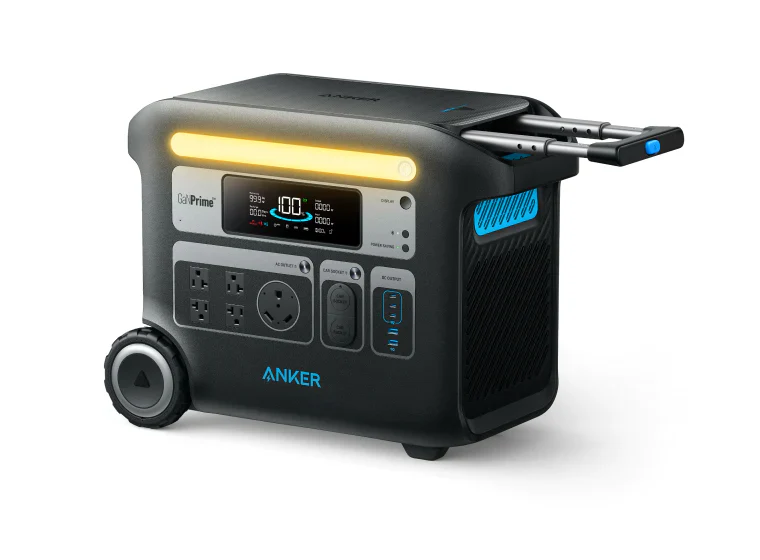
A big battery sale only matters when the battery can handle the life you actually live. The Anker 767 PowerHouse sits in that serious middle ground between small camping packs and whole-home systems, which is why a yearly low price gets attention from homeowners, RV travelers, tailgaters, and families tired of scrambling during outages. This is not the kind of power gear you buy for one phone and a lantern. It is built for refrigerators, coffee makers, laptops, routers, medical devices, tools, and road-trip comfort when a wall outlet is not close by. For readers tracking smart buying windows through consumer tech deal coverage, the real question is not whether the discount sounds exciting. It is whether the unit fits your daily risk, weekend plans, and backup needs better than a cheaper box with weaker output.
Why Anker 767 PowerHouse Deals Hit Different in 2026
The portable power market has become crowded, and that can make every sale feel louder than it deserves. Smaller units promise easy travel. Larger systems promise near whole-home coverage. This model lands in the hard-working zone between those extremes, which is where many American buyers actually shop. It has enough capacity to matter during an outage, yet it still rolls like luggage instead of sitting like a basement appliance.
The price drop matters because the specs are not entry-level
The official SOLIX F2000 listing for this model shows a 2,048Wh capacity and 2,400W pure sine wave AC output, which puts it far above pocket-sized camping batteries and basic emergency packs. It also lists LiFePO4 battery chemistry, 3,000 cycles to 80%+ capacity, 1,000W max solar input, and expansion up to 4,096Wh with an added battery.
That mix changes the way you judge a sale. A small discount on a weak battery often saves money today and creates regret later. A deeper drop on a capable portable power station can move it from “nice idea” to “worth planning around,” especially if your home has short outages, storm risk, or frequent outdoor use.
The non-obvious part is that wattage can matter more than capacity for some buyers. A large battery with a weak inverter may run small electronics for a long time but still fail when you plug in a microwave, coffee maker, or jobsite tool. Output is the gatekeeper.
A yearly low is only useful if it replaces panic buying
Most people shop for home backup power at the worst possible time: after the lights flicker, when a storm map turns ugly, or when every local store has empty shelves. That is how families end up overpaying for gear they do not understand.
A planned buy feels different. You can check where the unit will sit, decide what it should run, and avoid pairing it with random cords or panels that do not match. FEMA’s Ready.gov guidance reminds households to prepare for outages and warns that gas generators should only be used outdoors and away from windows, which is one reason battery backup has become more attractive for indoor needs.
A Texas family using this as a fridge-and-router backup has a different goal than a Colorado camper running an induction burner and camera batteries. Same box. Different value. That is why the sale price should start the decision, not end it.
What This Portable Power Station Can Handle at Home
A battery station becomes useful when you stop thinking about it as a gadget and start thinking about your actual outage list. Not the fantasy list. The real one. Fridge. Router. Phone. CPAP. A lamp. Maybe a fan. Maybe a sump pump, depending on startup draw and setup. Those details matter more than a shiny product photo.
Match the battery to the appliances you care about
The listed 2,400W AC output gives this unit room for many household devices, while the 2,048Wh battery tells you how much stored energy you have before recharge enters the picture. Anker’s product details also list four NEMA 5-20 AC outlets, one TT-30 RV port, USB-A, USB-C, car outputs, and a UPS switch time under 20ms.
Still, no power station should be treated like a magic wall. A refrigerator may sip power most of the time, then spike when the compressor starts. A microwave may look simple until it pulls a heavy load. A space heater can drain a battery faster than buyers expect.
The practical move is boring but smart: write down the devices you refuse to lose during an outage. Then check their running watts and startup needs. A backup plan built around ten chosen items beats a vague hope that “it can run the house.”
The best use may be keeping normal life small
Here is the counterintuitive part. During an outage, the smartest use of a solar generator is often not running the biggest appliance it can handle. It is keeping a smaller circle of life stable for longer.
That could mean your Wi-Fi, phones, two laptops, a fridge cycle, a lamp, and a fan. In a Florida hurricane week, that small circle matters. You can receive alerts, keep food cold, work through a short disruption, and charge family phones without dragging a gas unit outside in bad weather.
This is where home emergency power planning deserves more attention than raw specs. Buyers often ask, “Can it run this?” A better question is, “What should I not waste battery on?” A hair dryer, toaster oven, or space heater may be possible, but possible is not the same as wise.
Where It Makes Sense Beyond Outages
The best backup gear earns its place between emergencies. If it only sits in a closet for two years, the purchase feels heavy. If it also supports RV weekends, outdoor work, tailgates, filming days, and camping trips, the math becomes easier to defend.
RV owners get value from the port layout
The TT-30 RV outlet is one of the details that separates this unit from many smaller boxes. It does not mean every RV setup becomes effortless, but it does mean the design is thinking about campers, trailers, and mobile setups rather than only phones and laptops. Anker lists the TT-30 port alongside the AC outlets and 2,400W output on the official product page.
For a family parked at a national forest campground, that can mean lights, device charging, a fan, and some kitchen use without running an engine or listening to a fuel generator. Noise matters more outdoors than people admit. So does placement. So does not annoying the campsite beside you.
The wheels and retractable handle matter here too. At 67.2 lb, this is not a casual one-hand carry. It is transportable, not featherweight. That distinction saves disappointment.
Outdoor work changes the value of quiet power
Contractors, photographers, mobile detailers, and DIY homeowners may see a different kind of value. A battery station can run chargers, lights, laptops, and some tools without fumes, fuel runs, or the growl of a generator in the background.
A backyard example makes it plain. Say you are cutting trim in a detached garage, charging tool batteries, and running work lights after sunset. A smaller pack may handle chargers. This class can support a broader setup, as long as you respect each tool’s watt demand.
The hidden benefit is control. With a portable power station, you know what energy you have, where it goes, and when it needs recharge. Fuel generators still have a place, especially for long outages and heavy loads, but battery power wins when silence, indoor-safe use, and fast setup matter more.
How to Decide Before the Sale Ends
A low price can push people into rushed buying, and that is where mistakes happen. The right way to judge this deal is to make the product pass a few plain tests. Do not start with the discount. Start with the job.
Check your wattage before you check out
Look at the devices you want to run and split them into two groups: must-have and nice-to-have. The must-have list should be short. Fridge, router, medical device, phones, light, fan. Maybe a laptop. Maybe a modem. After that, check labels, manuals, or manufacturer pages for wattage.
The official specs give strong headroom for many common uses, but the unit still has limits. Its AC surge output is listed at 2,800W, and solar input is listed at 1,000W max through an MPPT range of 11-60V.
That solar number sounds simple, but real sunlight is not a lab. Shade, panel angle, clouds, heat, and cable choices all reduce intake. A buyer in Arizona may see a different solar day than someone in Pennsylvania under tree cover.
Think about storage, weight, and battery care
The most overlooked buying factor is where the station will live. A unit this size needs a dry, cool, reachable spot. If it is buried behind holiday bins, you will not grab it when the power drops. If it sits in a hot garage all summer, that is not ideal either.
Anker’s FAQ guidance says to turn off outputs when not in use, store the station in a dry and cool area, check battery level, and fully charge it once every three months. That is not hard, but it is still ownership. Batteries reward people who treat them like gear, not furniture.
For deal hunters, portable power station buying tips should include one blunt rule: do not buy more battery than you can move or maintain. Bigger can feel safer on paper. In real life, the best unit is the one you will actually use, recharge, and keep ready.
Conclusion
A sale can make a serious power station easier to justify, but the better reason to care is what it can protect when daily life gets interrupted. This model makes the most sense for buyers who want more than phone charging and less than a permanent whole-home battery system. It fits the messy middle: outages, RV weekends, outdoor work, storm prep, and off-grid comfort. The Anker 767 PowerHouse is not a casual impulse item, even at a yearly low. It is a planning purchase. Treat it that way. Check your must-run devices, be honest about weight, and decide whether solar charging or expansion will matter later. If the numbers fit your home and habits, this could be the rare discount that solves a real problem before the problem shows up. Buy for the outage you can picture, not the sale banner you can ignore.
Frequently Asked Questions
How much power does this Anker charging station store?
It stores 2,048Wh of energy, which is enough for many short outage and outdoor power needs. Actual runtime depends on what you plug in. A router and phones use far less energy than a heater, microwave, or large power tool.
Is this power station worth buying for home outages?
Yes, if your goal is keeping key devices running instead of powering the whole house. It makes sense for refrigerators, internet gear, lights, phones, laptops, fans, and some medical devices. For central air or heavy electric heating, look at larger systems.
Can it run a refrigerator during a blackout?
Often, yes, as long as the refrigerator’s running and startup wattage stay within the unit’s limits. Runtime will vary by fridge size, room temperature, door opening, and compressor cycle. Test it before storm season so you know what to expect.
Is it better than a gas generator?
It is better for indoor-safe battery use, quiet operation, and fast setup. A gas generator can still win for long outages and heavy loads if used safely outdoors. Many households use both: battery power for essentials and fuel power for longer backup.
Can solar panels recharge it while camping?
Yes, the unit supports up to 1,000W solar input with compatible panels. Real charging speed depends on sun, panel angle, shade, temperature, and cable setup. Solar works best when you plan your campsite layout instead of placing panels after arrival.
Is this too heavy for travel?
It weighs 67.2 lb, so it is not light. The wheels and handle help, but lifting it into a truck or RV may still take care. It suits car camping, RV use, and work sites better than hike-in camping.
What should I check before buying it on sale?
Check the current checkout price, return policy, warranty, included cables, and whether solar panels or an expansion battery are bundled. Also compare your must-run devices against the wattage limits. A low price only helps when the unit fits your use.
Can it work as backup power for remote work?
Yes, it can keep a laptop, router, modem, phone, light, and small fan running through many common outages. For remote workers, internet gear often matters more than large appliances. Test your setup once so you know cable placement and runtime.