
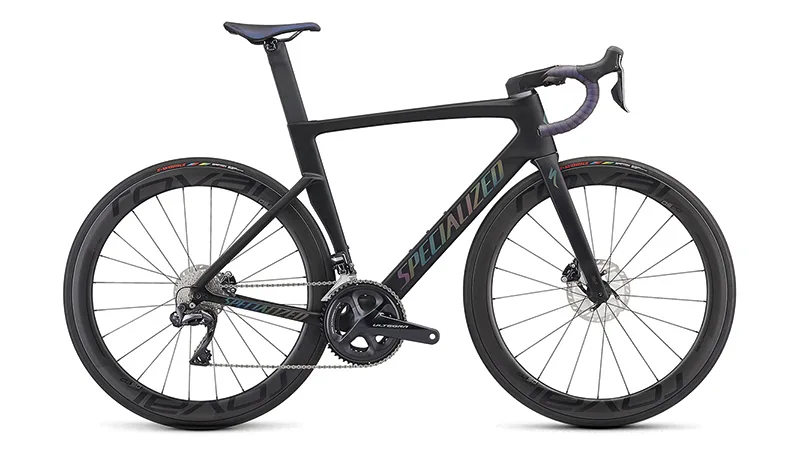
A bike can vanish from shops long before most riders notice the warning signs. The Specialized Venge Pro Road Bike sits in that rare place where race history, aero styling, and limited supply all push the same button at once. For U.S. cyclists watching closeout pages, local bike shop alerts, and resale drops, a same-day sellout makes sense. This is not a casual fitness bike sitting in a warehouse until spring. It is the kind of aero road bike that pulls in former racers, fast group-ride regulars, and collectors who missed their chance the first time. That is also why consumer deal coverage around high-demand gear keeps getting louder: the window between “listed” and “gone” keeps shrinking. The smarter move is not panic buying. It is knowing what makes this model worth attention, what details deserve inspection, and when a rival Specialized road bike may serve you better. For riders with one open slot in the garage, that choice carries real weight.
Why Venge Pro Demand Feels Different This Time
Scarcity changes how riders think. When a current model sells out, you wait for another shipment. When an older aero frame returns in limited form, the clock feels harsher because the next chance may depend on one shop, one size, one color, or one clean trade-in. That pressure is what makes this latest rush feel less like a normal sale and more like a small market event. In cycling, the rarest bikes are not always the most practical ones. They are the ones riders can name from across a parking lot.
The pull of a retired aero identity
Specialized built the Venge name around speed first. The official S-Works listing describes the frame as Rider-First Engineered FACT 11r carbon, shaped through Win Tunnel work, CFD, prototypes, and rider feedback, with Dura-Ace Di2, hydraulic discs, and deep Roval CLX 64 wheels on the top build. That history matters because riders remember the design goal, not only the sticker price.
The less obvious part is emotional. Many U.S. buyers do not chase a retired bike because it is cheaper. Often, they chase it because the newer market feels too blended. Modern race bikes can climb, sprint, and cruise with fewer sharp edges, which is good for most riders. Yet some people want a machine with a louder personality and a shape that says what it was built to do before the rider clips in.
That is why the old aero race silhouette still gets attention at Saturday coffee stops. Put one beside a newer all-rounder in a Dallas, Denver, or San Diego group ride, and people will talk about the tubes before they ask about the gear range. Looks do not win a town-line sprint, but they do keep a bike in memory. In cycling, memory can move inventory faster than a discount banner. A rider may forget the exact claimed weight of a frame, but they remember the first bike that made an aero shape feel desirable.
Why a same-day sellout can happen without a huge audience
A sellout does not need millions of shoppers. It needs a small pool of serious buyers who know their size and have payment ready. That is common with premium cycling gear. A 54cm or 56cm frame in a sought-after color can move fast because those sizes fit a large slice of road riders, especially in markets with strong club scenes.
The counterintuitive part is that limited demand can create faster movement than mass demand. A normal commuter bike needs broad traffic. A rare carbon race bike needs ten people who already decided months ago. When the listing appears, they are not researching from zero. They are checking photos, matching geometry, and deciding whether the price leaves room for a tune.
This is where a used bike inspection checklist can save money. Fast does not mean careless. A same-day decision still needs a frame check, drivetrain look, wheel inspection, and clear return terms. Speed helps only when your process is calm, because the wrong bike at the right price is still the wrong bike. The buyer who wins is not the one who clicks first. It is the one who already knows the deal breakers.
What Makes This Aero Road Bike Worth the Noise
A bike can be rare and still not worth chasing. The attention here comes from a mix of speed-first design, fit changes that helped normal riders, and a spec story that aged better than many expected. The strongest case is not nostalgia. It is that this platform solved several problems that older aero bikes often created. Earlier aero machines sometimes felt like wind-tunnel projects that forgot the rider had to live with them. This one landed closer to the middle: aggressive, but not hopeless for real roads.
Fit and braking made the design easier to live with
Bicycling’s review of the Pro Disc model noted that it kept the aero bar idea but paired it with a traditional stem, making position changes easier than a fully locked-in front end. The same review highlighted hydraulic disc brakes as a major improvement over older hard-to-slow aero designs, while listing that Pro-level disc build at $6,500 during the model era.
That sounds like a small shop-floor detail until you have to own the bike. A rider in Phoenix who needs a shorter stem before a century ride does not want a cockpit puzzle. A racer in Chicago who changes position after a bike fit wants a path that does not require three special-order parts. Fit freedom is not glamorous, but it decides whether a fast frame becomes a daily favorite. A small stem change can turn a harsh position into a rideable one, especially for an amateur who works at a desk all week and races on Sunday.
The hidden win is confidence. When the front end can be tuned and the brakes feel controlled, an aero road bike becomes less like a weekend weapon and more like a bike you can ride often. Not every fast machine earns that trust. Some are thrilling for an hour and annoying for the next three. The better ones give you speed without making every ride feel like a test of pain tolerance.
The frame story still carries weight
The 2019-era Pro model was described by a Specialized Concept Store as sharing the same 11r carbon frameset and race geometry as its S-Works sibling, with Shimano Ultegra Di2 and Roval CL 50 Disc wheels on the build. The same source said the newer frame saved weight over the outgoing ViAS generation and was tested to be faster over 40km than the prior version.
Those details explain why the bike still has a market. Riders are not buying mystery carbon with a famous decal. They are chasing a frame family tied to serious engineering choices, deep race use, and parts that still feel modern enough for fast road riding. That is the sweet spot: old enough to feel scarce, new enough to avoid feeling outdated. For many buyers, that matters more than having the newest decal on the down tube.
Still, age matters. Electronic shifting batteries, hydraulic brake service, wheel condition, and proprietary seatpost parts can turn a dream purchase into a slow headache. The smart buyer treats the frame as the prize and the components as evidence. If the evidence looks tired, the price should bend. A clean frame with average parts may beat a flashy build with a hidden crash story. Wheels, chains, and cassettes can be replaced. A damaged frame changes the whole purchase.
How U.S. Buyers Should Read the Sellout Signal
A one-day rush can trick people into thinking every listing is a bargain. It is not. Scarcity tells you the bike is wanted. It does not tell you whether the asking price is fair, whether the frame is clean, or whether the fit will work for your body. That difference matters more with a high-end Specialized road bike than with a basic aluminum trainer. The market can reward patience as much as speed. Another bike will appear, but your knees and back may not forgive a rushed fit mistake.
Check the size before the story pulls you in
The most expensive mistake is buying the legend in the wrong size. A 56cm race frame may sound safe for a rider who has always ridden 56, but stack, reach, stem length, spacer setup, and saddle setback can change the answer. Race geometry has less mercy than endurance geometry, and an aggressive front end can punish a rider who only checked seat tube length. Two bikes with the same frame size can feel far apart once bar height and reach enter the picture.
A real example is the rider who buys for the top tube and ignores the front end. The bike arrives, the stem is slammed, and the bars sit lower than their back can handle. They can add spacers only if the steerer allows it. They can change stems only if the parts are easy to source. Suddenly the deal is not a deal. It is a fit problem with deep wheels.
That is why fit screenshots, geometry charts, and full-side photos matter. Ask for the steerer length. Ask for the saddle height shown in the photo. Ask whether the seatpost has room to move. A rare carbon race bike should still fit like a tool, not a trophy. The most admired bike in the parking lot can still be miserable after mile forty. A good fit disappears under you. A bad fit is all you think about.
Read condition like a mechanic, not a fan
Paint chips are not all equal. A scuff near the chainstay from heel rub is common. A mark around the head tube, fork crown, bottom bracket, or seat cluster deserves more care. Carbon does not always tell its story loudly, so you need bright photos and direct questions. If a seller dodges crash history, that silence has a price. You do not need to accuse anyone. You only need to price the risk like an adult buyer.
For U.S. buyers dealing with online sellers, payment protection and return terms matter. A local pickup at a bike shop can be worth more than a slightly lower shipped price. Ask the shop to check headset play, brake wear, spoke tension, shifting, tire clearance, and frame damage before money changes hands. A thirty-minute inspection can protect months of regret. It can also give you fair reasons to negotiate without sounding like you are picking at tiny flaws.
This is also where an aero bike buying guide helps separate want from fit. The right question is not “Will this bike make me faster?” It is “Will I ride this bike hard, often, and without fighting it?” That answer is harder to fake. It also keeps you from overpaying for a bike that looks better in photos than it feels on your roads.
When to Buy, Wait, or Choose Another Race Bike
The sellout tells you the bike has heat. Your job is to decide whether that heat matches your riding. Some buyers should chase the next clean listing. Some should wait for prices to cool. Others should skip the drama and buy a newer all-round race platform with broader support. The best answer depends less on internet excitement and more on your roads, your body, and your patience with older premium parts.
Buy only when the use case is honest
This bike makes the most sense for riders who already enjoy fast road position, group speed, sprint efforts, and flat-to-rolling routes. Think Southern California weekday worlds, Florida bridge repeats, New York park laps, Texas crit practice, or Midwest town-line rides. The frame rewards momentum. It wants pressure on the pedals, not a lazy spin to the bakery. That does not mean every ride must be a race, but the bike makes the most sense when speed is part of the reason you ride.
It is less ideal for a rider who wants upright comfort, wide tires, fender mounts, or rough-road freedom. The bike can be comfortable for its category, but category matters. An aero machine still asks something from your neck, hands, and hamstrings. If your local routes are broken chipseal and stop signs, pure speed appeal may fade by the third ride.
The non-obvious buying test is boredom. If you need a bike to make every ride feel easy, look elsewhere. If you get bored when a bike feels too polite, this one makes more sense. Some riders want quiet comfort. Others want a frame that feels awake when the speed rises. Neither rider is wrong, but only one should chase a sellout like this. The honest buyer saves money by admitting which camp they belong to before the listing goes live.
Compare the market before chasing the last listing
The Venge line holds a special place partly because Specialized later folded much of its race-bike focus into the Tarmac family. The Pro’s Closet summarizes the Venge as discontinued in 2020, noting that Specialized moved toward a single race platform with the Tarmac SL7 after combining aero performance and low weight goals.
That shift matters for buyers. Newer Tarmac models may be easier to fit, easier to service, and easier to find in more sizes. They may also carry warranty paths and shop support that older aero frames cannot match. A sellout should push you to compare, not to abandon judgment. There is no honor in winning the checkout race and losing the ownership math. A newer frame with better parts access may cost more today and less over three years.
Use the Specialized product archive as a baseline for what the top-end family represented, then compare any listing against its actual build, year, service record, and fit. A beautiful bike with the wrong cockpit is still wrong. A slightly plainer bike that fits and has clean service records may be the stronger buy. The best purchase is the one you still respect after the rush fades. If a bike needs excuses before you buy it, listen to that discomfort.
Conclusion
Scarcity is loud, but it should not do your thinking for you. The same-day rush around this final-edition-style listing shows how much appetite remains for sharp, fast, character-rich road bikes in the U.S. market. Still, the Venge Pro only makes sense when the fit, condition, price, and riding style line up. Do not buy the myth while ignoring the measurements. Do not pay collector money for a tired drivetrain or a questionable frame. When the right one appears, move with a clear checklist and a calm head. The best buyers act fast because they prepared slowly. They know their fit, their ceiling price, their service risks, and the flaws they refuse to accept. They also know when to walk away, which is the hardest skill in a hot market. That is how you turn a stressful sellout story into a smart cycling decision, not an expensive garage decoration. Watch the next listing closely, but let your fit numbers make the final call.
Frequently Asked Questions
How much should I pay for a used final edition aero race bike?
Price depends on year, size, condition, wheels, drivetrain, and proof of service. Clean premium builds cost more, but worn parts should lower the number fast. Compare several U.S. listings before buying, and leave room in your budget for tires, brake pads, chain, cassette, and a shop inspection.
Is this bike better than a newer Tarmac for everyday riding?
A newer Tarmac may suit more riders because it blends low weight, aero shaping, and broader support. The older aero platform appeals more to riders who want a sharper speed feel and distinctive frame shape. Pick based on fit, local roads, service access, and how aggressive your position can be.
What size should I buy if I am between two road bike sizes?
Choose based on stack, reach, stem options, saddle height, and how much drop you can handle. Many riders do better on the smaller size with a longer stem, but that is not universal. A paid bike fit or geometry comparison can prevent a costly mistake.
What should I inspect before buying one online?
Ask for clear photos of the fork, head tube, bottom bracket, chainstays, seat cluster, wheels, drivetrain, and cockpit. Request service records and crash history. For shipped bikes, use payment protection. For local deals, meet at a trusted bike shop and pay after inspection.
Is an aero road bike worth it for normal group rides?
It can be worth it if you ride fast enough to hold steady speed and enjoy a lower position. The gains feel more obvious during hard pulls, sprints, and windy sections. For slow solo rides or rough pavement, comfort and fit may matter more than aero shaping.
Are replacement parts hard to find for older premium frames?
Some parts can be harder to source, especially proprietary seatposts, cockpit pieces, headset parts, and small frame hardware. Before buying, check whether shops can still order key items. A fair price should reflect parts risk, not only frame fame.
Can I use wider tires on this kind of race bike?
Many later aero disc road frames accept wider tires than older rim-brake race bikes, but actual clearance depends on year, rim width, tire brand, and frame condition. Never guess. Check the exact model specs and leave safe space around the fork, stays, and brake area.
Who should avoid buying this bike?
Riders who want upright comfort, gravel flexibility, low service costs, or relaxed weekend cruising should look elsewhere. This type of bike suits committed road cyclists who value speed, firm handling, and race-bike posture. The wrong buyer may own a beautiful machine that rarely leaves the wall.